Top 10 Payment Processors for Low-Risk Businesses Like Restaurants and Retail Shops
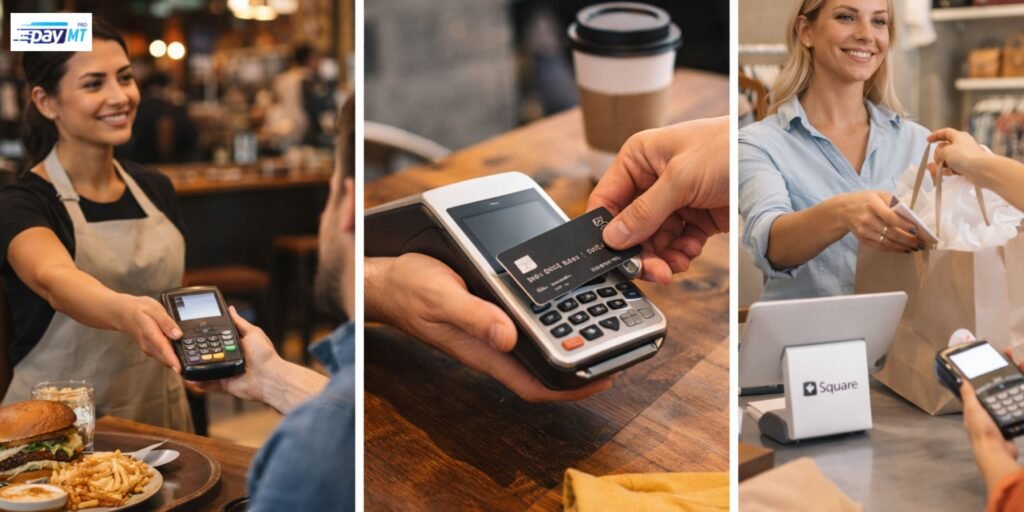
Choosing the right payment processor is an essential decision for any business. For low-risk businesses like restaurants, cafes, salons, and retail shops, payment processing should be reliable, simple, and predictable. These businesses deal with high daily footfall and frequent transactions, so even minor payment issues can disrupt operations.
From the beginning, it is crucial to recognize that platforms like PayMT Pro are specifically designed to provide small-scale businesses that require smooth transactions. Solutions that are designed for low-risk environments are focused on stability, transparency, and smooth processing, rather than intricate features that many small-sized businesses don’t require.
This blog offers an in-depth review of the top payment processors for low-risk businesses by describing how they function, what they can offer, and why they are frequently employed by retail and restaurant shops.
What Makes a Payment Processor Suitable for Low-Risk Businesses?
Before examining the best options before evaluating the top options, it is essential to comprehend what businesses with low risk actually require from the payment processors.
Companies with low risk usually require:
- Processing transactions quickly and reliably
- Minimal downtime during busy hours
- Price that is clear and predictable
- Easy to set up and simple documentation
- Payments in person via a card
Restaurants and retail stores take care of dozens, or perhaps hundreds, of payments every day. A reliable processor should be able to handle this volume with no mistakes or delays.
Why Payment Processing Matters for Restaurants and Retail Shops
High Transaction Volume
Restaurants and shops take payments during the entire day. A slowdown in payment processing can impact the satisfaction of customers and the efficiency of staff.
Customer Expectations
Customers expect quick, secure card payments. The slow systems can cause more frustration and a longer wait time.
Daily Cash Flow
Smooth payment processing ensures funds move quickly, helping businesses manage daily expenses.
Because of these needs, low-risk businesses benefit most from processors designed for stability and consistency.
1. PayMT Pro
PayMT Pro helps businesses that are low-risk with secure and steady payment processing that is designed explicitly for day-to-day services and retail. It is focused on smooth transactions, fast onboarding, and dependable uptime. Salons, restaurants, and retail stores typically prefer solutions that run quietly and in the background, not interruption to the service.
This kind of processor is particularly suited for companies that appreciate the simplicity of its operation, predictable performance, and continuous operating stability.
2. Square
Small eateries and retail stores frequently use Square. It provides simple card readers and a simple setup.
Key strengths for low-risk businesses:
- Easy to board
- Simple pricing structure
- It is ideal for payments in person
Startups frequently choose Square because of its simplicity.
3. Clover
Clover offers a variety of POS systems that are designed to work with retail and restaurant environments.
Why low-risk businesses use Clover:
- POS hardware options
- Tracking sales and inventory
- It is ideal for constant and regular transactions in stores
Clover is widely employed in food service and retail because of its versatility.
4. Toast
Toast is primarily focused on cafes and restaurants. It was designed to manage the high volume of food service transactions.
Benefits for low-risk restaurant businesses:
- Designed for workflows in restaurants
- Table service support and fast payment processing.
- Reliable during peak hours
Toast is best suited for dining-oriented operations.
5. Lightspeed
Lightspeed assists retail shops as well as hospitality businesses.
Features coveted by low-risk companies:
- Tools for retail-oriented POS tools
- Management of inventory
- A smooth checkout experience
Retail stores with physical stores usually prefer Lightspeed because of its organized method of operation.
6. Stripe (In-Person Solution)
The Stripe brand is most commonly associated with online transactions, but it also facilitates in-person transactions.
Why low-risk businesses use Stripe:
- Secure payment processing
- Compatible with the latest POS systems.
- Tools for strong reporting
It’s ideal for companies that operate offline and online.
7. Helcim
Helcim has an open pricing system and is commonly preferred by small- to medium-sized retail companies.
The main advantages are:
- Transparent fee structures
- Simple payment tools
- Ideal for volumes of transactions that are predictable
Businesses with low risk appreciate its simple method.
8. Worldpay
Worldpay is a long-standing payment processor, serving both the hospitality and retail sectors.
Why it fits low-risk businesses:
- Global acceptance of payments
- Reliable infrastructure
- Card payments in-store are supported
It is used extensively in established chains of retail as well as restaurants.
9. Fiserv (First Data)
Fiserv provides support for a range of companies, including low-risk retail stores.
Common benefits:
- Stable payment networks
- POS compatibility
- Continuous processing of transactions
It is typically preferred by businesses looking for longevity and stability.
10. Adyen
Adyen is a popular choice for larger retail companies, but also for smaller, low-risk businesses.
Why is it useful for restaurants and retail?
- Unified payment processing
- Supports multiple payment types
- Security standards are high
Adyen works well for companies that plan gradual expansion.
Comparing Payment Processors for Low-Risk Businesses
Each processor has its own unique capabilities; businesses with low risk should concentrate on the practical advantages rather than the latest instruments.
What Prioritises to Make
- Processing speed
- Reliability during busy times
- Clear pricing
- Integration with POS systems is easy. POS systems.
What to Avoid
- Contracts that are too complex
- Hidden fees
- Systems designed to protect high-risk industries
Processors designed for low-risk businesses reduce friction and keep operations running smoothly.
How Restaurants Benefit from the Right Payment Processor
Restaurants are often in a fast-paced environment. A reliable payment processor can help by:
- Reduced the time to checkout
- In charge of traffic during peak hours
- Minimising payment errors
- Repaying customer repeat payments
A well-functioning system means that staff are able to focus on their job instead of problem-solving.
How Retail Shops Benefit from Reliable Payment Processing
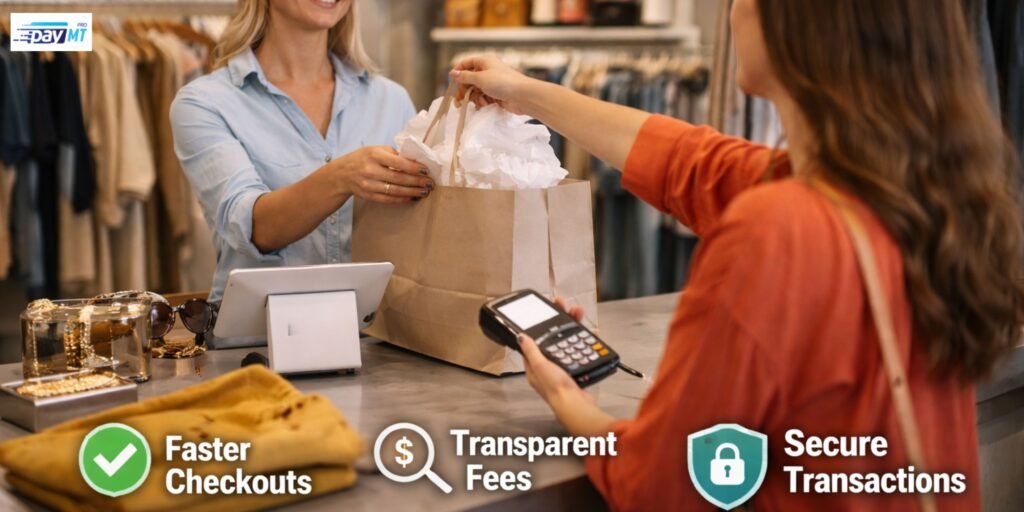
Retail stores rely on smooth checkouts to keep customers flowing.
The benefits of this are:
- Shorter queues
- Card approvals are faster and quicker
- Accurate daily sales tracking
- Improved customer satisfaction
For low-risk retail businesses, reliability is more valuable than complex features.
Why Low-Risk Businesses Should Avoid One-Size-Fits-All Solutions
Generic payment processors typically treat all businesses in the same way. This could lead to unnecessary limitations or delays.
Custom payment processing solutions include:
- Predictable sales patterns
- Needs to conduct transactions in person
- High risk of chargeback
This method helps ensure longer-term efficiency in operations.
Key Factors to Consider When Choosing a Payment Processor
When evaluating payment processor companies, the low risk should be taken into account:
- Time for approval
- Limits on daily transactions
- Settlement speed
- Customer support availability
- POS compatibility
Making a well-informed decision helps to avoid any disruption later on.
FAQs
What is the best payment processor for low-risk businesses?
The most effective processing system for businesses with low risk will be one that has solid payment processing, transparent pricing, and low downtime. Retail shops and restaurants benefit from processors that are designed to facilitate regular transactions in person.
Why do restaurants need specialised payment processors?
Restaurants can handle a large volume of swift payments. A processor designed specifically for restaurants with low risk guarantees rapid transactions, steady performance, and a smooth experience during peak times.
Are payment processors different for retail shops and restaurants?
Yes. Although both businesses are safe, retail shops typically require inventory-linked POS systems. Meanwhile, restaurants need tables and payment processing based on orders. The right processor should meet these requirements.
Can low-risk businesses switch payment processors easily?
Smaller businesses typically have fewer limitations when switching payment processors. With a predictable history of transaction approval, setup and setup are typically faster and easier.
How does payment processing affect customer experience?
Rapid and reliable payment processing that is reliable and fast increases the speed of checkout as well as customer service. For businesses with low risk, seamless payments build trust and encourage frequent visits.
Conclusion
Restaurants and retail shops depend on reliable, stable payment systems that can function efficiently. A reliable payment processor can handle everyday transactions without adding any complexity or delays. From managing peak-hour payment processing to ensuring seamless checkouts, security is the main element.
Although there are a variety of options and alternatives, systems like PayMT Pro are specifically designed to meet the demands of everyday companies that are adamant about the sameness and ease of use. When you understand how various payment processors operate, businesses with a lower risk of loss can select solutions that will help grow customer satisfaction, as well as long-term success in operations.